From Code Scan to Crash Test: How Off-the-Shelf AI Found 66 New Flaws in Device Networking Code, Step by Step
Forescout researchers pointed generally available AI models at 10 TCP/IP stacks used in industrial, medical and network equipment and confirmed 99 vulnerabilities, 66 of them new, for roughly $1,200 to $2,300 in model costs. Here is how the process worked, and why it matters for devices nobody can patch.
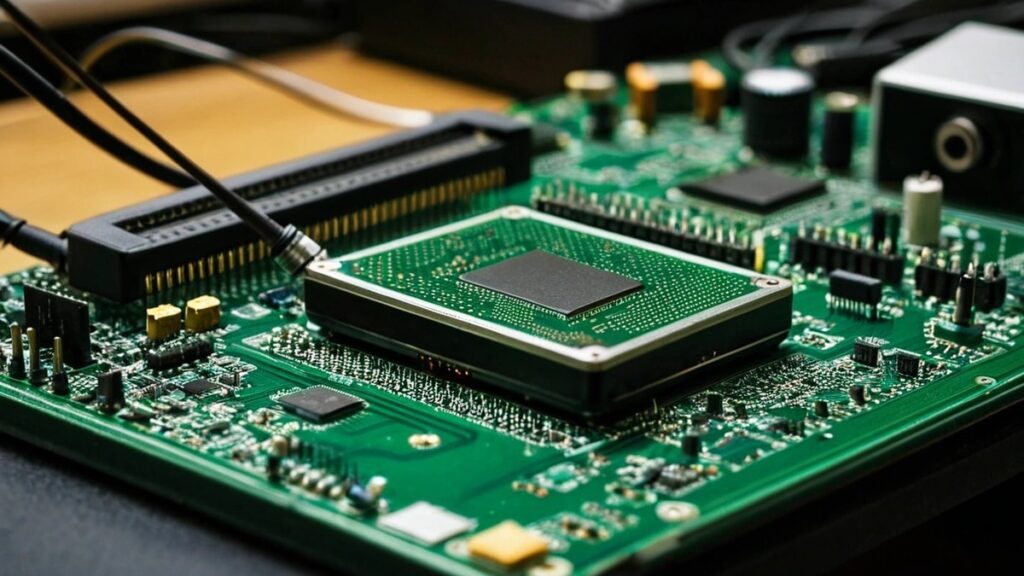
How cheap is it now to find security bugs in the software inside connected devices? Researchers at Forescout set out to measure it, using generally available AI models on a limited budget, an approach they note attackers could copy. They examined the TCP/IP stacks that let industrial controllers, medical devices, network gear and other products talk on a network, covering both open-source code and compiled software with no source available. This walkthrough is based on Help Net Security’s report on the research.
How the system worked, step by step
- Write the rules first. Using records from earlier investigations, the team created 32 scanning rules for problem patterns such as copying more data into a memory buffer than it can hold, or mishandling data received from the network. People reviewed and refined the rules before they were used.
- Let scanners flag suspects. Conventional code scanners went through each networking stack and flagged code that matched those patterns.
- Ask AI agents whether it matters. Agents built around Claude models and existing security tools then examined each flagged spot to judge whether an attacker could actually reach that code and exploit it.
- Try to trigger it. In the final stage, the system attempted to run the software and produce a test that set off the problem. Researchers could step in and guide the work throughout.
- Filter hard. The automated process produced 362 initial findings, or 312 after removing duplicates. Testing and human review confirmed 99 real vulnerabilities across the 10 stacks.
What it found, and what it cost
- Of the 99 confirmed vulnerabilities, 66 were previously unknown, and 52% of the new ones were rated high or critical.
- Automated analysis took about 10 hours, followed by roughly 80 hours of validation. Forescout compares that with about nine months of manual code analysis in its earlier Project Memoria research from 2020 and 2021.
- Automated code inspection cost $935. Including estimated spending on tests that ran the software, total model costs came to roughly $1,200 to $2,300. Those figures cover running the finished system; building it took additional effort.
- Siemens has identified affected building automation controllers in its APOGEE, Desigo and TALON product lines; other vendors are still investigating.
Where the AI struggled
The approach was not magic. As a test, the system rediscovered 33 of 82 known vulnerabilities. It was strongest at memory errors in code that handles network traffic and weaker at logic and design flaws, such as values that are supposed to be random but are predictable. Compiled software without source code was harder: reconstructing a usable version of the program introduced errors and false alarms, and inspection cost about six times as much and took about twice as long.
The device nobody can fix
One target was firmware from a discontinued wireless access point whose maker has gone out of business. The system found seven flaws specific to that device, including administrator credentials that cannot be changed and a buffer overflow in the firmware upload process. With no vendor left, there will be no patch. Forescout reported 54 of the new flaws to developers and maintainers whose latest versions it believed were still affected, and several have released fixes.
What this means for your company
The economics have shifted: finding exploitable bugs in embedded networking code is now a matter of days and a few thousand dollars, not months. That matters most for the devices businesses forget about, like old access points, building controls, badge readers, printers and lab or medical equipment, especially models whose vendors no longer exist. When patching is not possible, containment is the answer. Keep an inventory of connected devices, retire anything the vendor no longer supports when you can, and put the rest on separate network segments with no direct internet exposure and only the connections they need.
Do you know which devices on your network have no vendor left to patch them? Reach out to Layer 7 Data Solutions to discuss how we’ve helped companies similar to yours.
About The Author