A Cyber Incident Hits a Wyoming Uranium Mine and Freezes Its Owner’s Shares: The Fact Sheet, Plus a Checklist for Businesses That Run Operations Technology
Peninsula Energy asked for a trading halt on the Australian stock exchange after a cybersecurity incident affected its Lance uranium project in Wyoming. Here are the confirmed facts, the open questions, and a checklist for any company whose operations depend on plant or production systems.
An Australian-listed uranium producer has paused trading in its shares after a cybersecurity incident reached its mining operation in the American West. The facts below come from SecurityWeek’s report on the company’s stock exchange filing.
Fact sheet
- Company: Peninsula Energy, a uranium company listed on the Australian Securities Exchange.
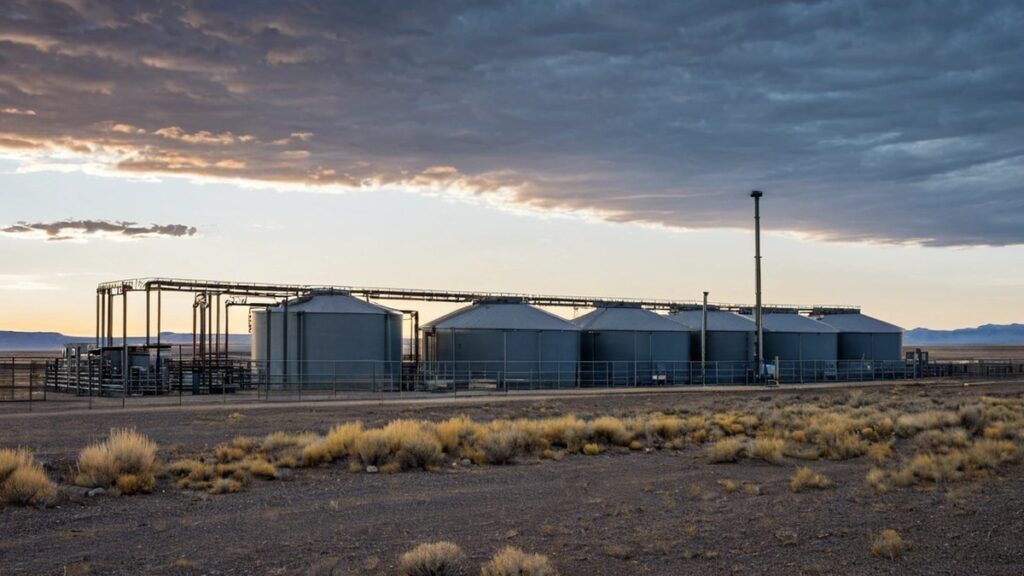
- Site affected: The Lance Project in Crook County, Wyoming, which Peninsula wholly owns. Lance extracts uranium using in situ recovery, and the uranium is then processed into yellowcake, which can be turned into nuclear fuel.
- When: The incident occurred on Friday night and was disclosed in a Monday filing.
- What was hit: The company said its “operating system” was breached. Its administrative systems in the United States and Australia were not affected.
- Impact on operations: Peninsula said the incident will temporarily affect operations while it carries out a preliminary investigation and assesses timing and impact.
- Market response: The company requested a trading halt lasting until normal trading opens on November 25, 2026, or until it releases an announcement about the incident, whichever comes first.
- Not yet disclosed: Which technical systems were compromised, whether uranium production stopped, how the attackers got in, and who was responsible.
Why a mine like this draws attention
The United States added uranium to its federal list of critical minerals in 2025, and Lance is expected to become a key supplier, which SecurityWeek noted likely makes it an attractive target. The incident follows a disclosure by mining company AngloGold Ashanti, which reported unauthorized activity on certain systems on October 16 but said it was contained and did not affect mining operations. Over a wider lens, the industrial security firm Dragos observed 19 ransomware attacks on mining organizations between July and September 2026, as industrial ransomware activity rose overall, with North America and Europe the most affected regions. It is not known whether ransomware played a role at Peninsula.
Checklist: if your business runs operations technology
You do not need to run a mine for this to apply. Manufacturers, warehouses, food processors, utilities, building management and even large medical and dental practices rely on control systems, production equipment or specialized devices that keep the business running.
- List every system that physically runs your operation, who supports it, and how it is reached remotely.
- Separate production and control networks from office networks, so a phishing email in accounting cannot travel to the plant floor.
- Require multi-factor sign-in and named accounts for every vendor or technician with remote access, and switch that access off when it is not in use.
- Keep offline copies of configurations, programs and recipes for critical equipment, and practice restoring them.
- Decide in advance who can order a shutdown, who talks to customers, investors and regulators, and which outside experts you would call.
- Know your disclosure duties. Public companies, as this case shows, may need to notify markets within days.
What this means for your company
The lesson from Peninsula’s filing is how quickly a cyber incident becomes a business event. Within a weekend, an intrusion into the systems that run the operation turned into a temporary hit to operations and a halt in the company’s shares. Smaller firms will not face a stock exchange, but they face the same pressures from customers, lenders and insurers when production stops. The companies that come through best are the ones that already know which systems matter most, have kept them apart from everyday office computing, and have rehearsed how to run, or safely pause, the business while the problem is fixed.
If your operations depend on equipment and systems that cannot simply be rebooted, we can help you map, separate and protect them before an incident forces the issue. Reach out to Layer 7 Data Solutions to discuss how we’ve helped companies similar to yours.
About The Author